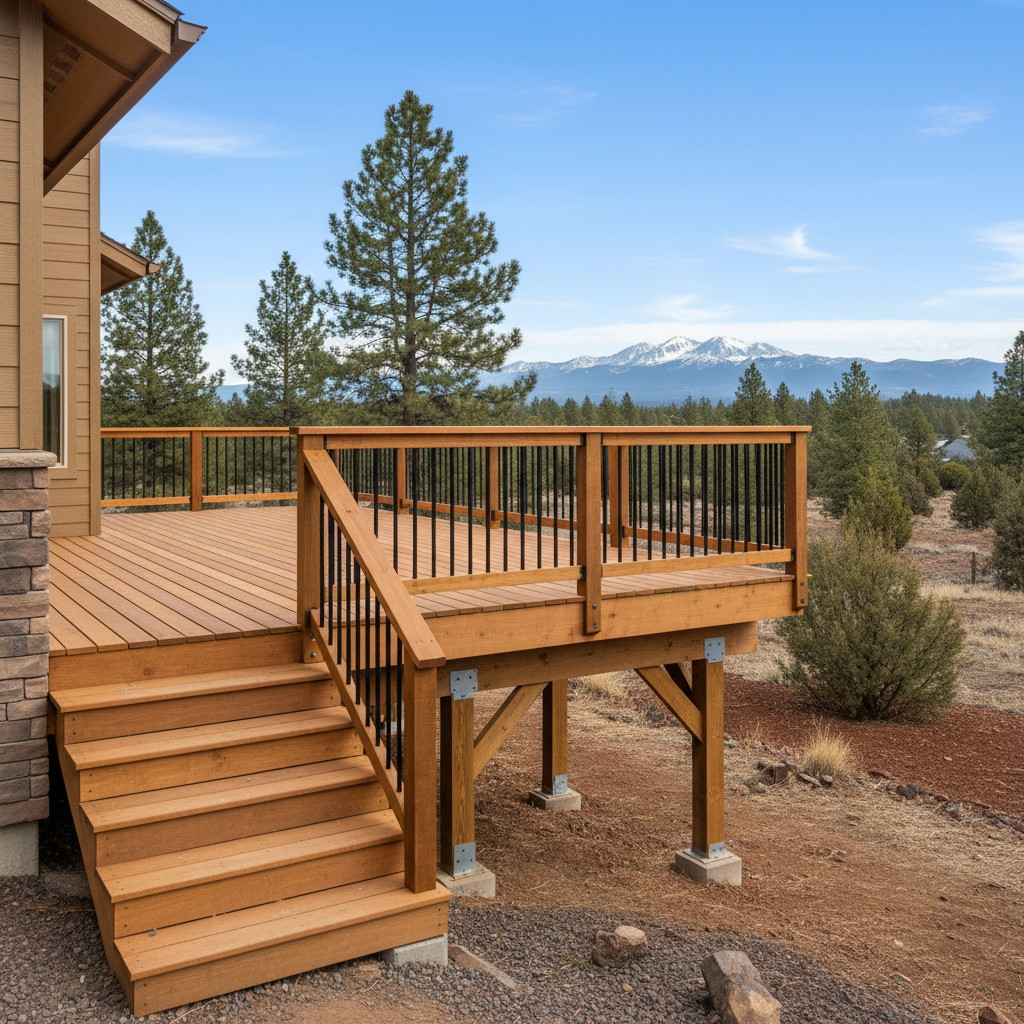
Don't Just Patch It – Understand the Root Cause
I see it all the time. A homeowner calls me up, says they've got a loose board or a wobbly railing, and they just want it fixed. My first question is always, "What do you think caused it?" More often than not, they haven't really thought about it. They just want the symptom gone, you know? But if you don't figure out *why* that board is loose – maybe it's rotted from bad drainage, or the joist underneath is shot – you're just putting a band-aid on a bigger problem. You'll be calling someone again in a year for the same thing, or worse, a new problem pops up because the original issue spread.
Before you even think about hiring someone, take a good look at your deck. Is it just one board, or are there other signs of trouble? Soft spots? Water pooling? Green algae growing where it shouldn't be? These are clues. A good contractor, like us at Bend Deck Creations, will always dig deeper to find the real cause, not just fix what's on the surface. If a contractor just gives you a quote for a quick patch without asking questions, that's a red flag.
Ignoring the Permit Process (or Not Knowing When You Need One)
This is a big one in Bend, and it can cause a real headache down the line. A lot of folks assume that if they're just repairing something, they don't need a permit. And sometimes, that's true for minor repairs. But if you're replacing a big chunk of your deck structure, changing its size, or messing with the load-bearing parts, you absolutely need a permit from the City of Bend. I've seen projects get halted, fines issued, and homeowners forced to tear down work because they skipped this step.
Why does it matter? Permits ensure your deck is safe and up to current building codes. Imagine trying to sell your house and the inspector flags unpermitted work. That's a deal-breaker. Always ask your contractor if the work needs a permit and who's responsible for pulling it. A reputable contractor will handle the permitting process for you, or at least guide you through it. If they tell you, "Don't worry about it, we'll just get it done," run the other way. It's not worth the risk.
Choosing the Cheapest Bid Without Due Diligence
Everyone wants to save money, I get it. But when it comes to something structural like a deck, the cheapest bid often comes with hidden costs or future regrets. I've been in this business a long time, and I've seen plenty of homeowners who went with the lowest price only to call me a year or two later because the work was shoddy, corners were cut, or the materials weren't up to snuff.
Here's what you should be looking for beyond just the price:
- References: Ask for them. And call them. Ask about the contractor's communication, their timeline, and how they handled any unexpected issues.
- Insurance and Licensing: Are they properly licensed and insured? This protects you if something goes wrong. Don't just take their word for it; ask for proof.
- Detailed Scope of Work: Does their bid clearly outline exactly what they're going to do, what materials they'll use, and what's *not* included? Vague bids leave room for misunderstandings and extra charges later.
- Warranty: What kind of warranty do they offer on their work? A good contractor stands behind what they build.
Especially in Bend, where our weather can be tough on decks – hot summers, cold snowy winters, and that high desert sun – you want materials and craftsmanship that will hold up. Cutting costs on quality now will almost certainly cost you more in repairs later.
Not Considering Material Longevity for Bend's Climate
This ties into the previous point, but it's specific enough to warrant its own mention. Our climate here in Central Oregon is unique. We get intense UV exposure, significant temperature swings, and freeze-thaw cycles that can really put stress on deck materials. I've seen decks built with materials that just aren't suited for these conditions, leading to premature warping, cracking, or rot.
For example, if you're replacing deck boards, consider composite materials or properly treated hardwoods that can stand up to our high desert environment. If you're using traditional wood, make sure it's sealed and stained correctly, and that the contractor understands the importance of proper drainage and ventilation underneath the deck, especially in areas like Awbrey Butte where decks are often built on slopes with varying sun exposure. Don't let a contractor talk you into using cheaper, less durable materials just to save a few bucks upfront. It's a short-sighted decision that will cost you more in maintenance and repairs down the road.
Poor Communication and Lack of a Written Contract
This seems basic, but it's a huge source of problems. You need to be able to talk openly with your contractor, and they need to be able to talk openly with you. If you feel like you're pulling teeth to get answers, or they're not listening to your concerns, that's a bad sign from the start. And once you've agreed on the work, get it all in writing. Every detail. The scope of work, the materials, the timeline, the payment schedule, the warranty – everything.
A handshake agreement might feel neighborly, but it leaves too much open to interpretation. A clear, written contract protects both you and the contractor. It ensures everyone is on the same page and provides a roadmap for how to resolve any disagreements that might come up. Don't be afraid to ask questions about the contract or request clarification on anything you don't understand. It's your home, your money, and your peace of mind at stake.